Urban resilience

Client
Countries of the world
Type
Social project
Year
2026
Size
Location
Ukraine
Services
Status
In development
Mission
Transforming the urban environment to protect people's lives, ensure uninterrupted life, and adapt infrastructure to the challenges of wartime and global crises.
The essence of the project
It is a multidisciplinary ecosystem that combines engineering, security, environmental and social solutions to create cities that can withstand extreme loads, recover quickly and develop according to the principle of Build Back Better.
Project description
“Urban Resilience” is an interdisciplinary research initiative aimed at analyzing the impact of military threats on the urban environment and identifying factors that increase the level of security and adaptability of the city. The project combines urban planning, architecture, spatial analysis, civil protection and urban infrastructure research.
The basis of the work is the documentation of the consequences of strikes, analysis of the behavior of buildings and infrastructure under damage, as well as the identification of solutions that help reduce risks to the population and preserve the functioning of the city.
The project is analytical, applied and strategic in nature and is focused on the formation of recommendations for the future restoration, modernization and increase the resilience of Ukrainian cities.


Contents
Warning Systems
Navigation and Spatial Safety References
Shelter and Protective Structures
Impact Impact and Damage Analysis
Recovery and Adaptation
Psychological and Social Resilience
Life Support Infrastructure
Energy Security
Environmental Safety and Cleanup
Urban Management and Emergency Coordination
Volunteerism and Community Support
Description of content
We study how emergency warning systems work, from government sirens to local loudspeakers and mobile apps.
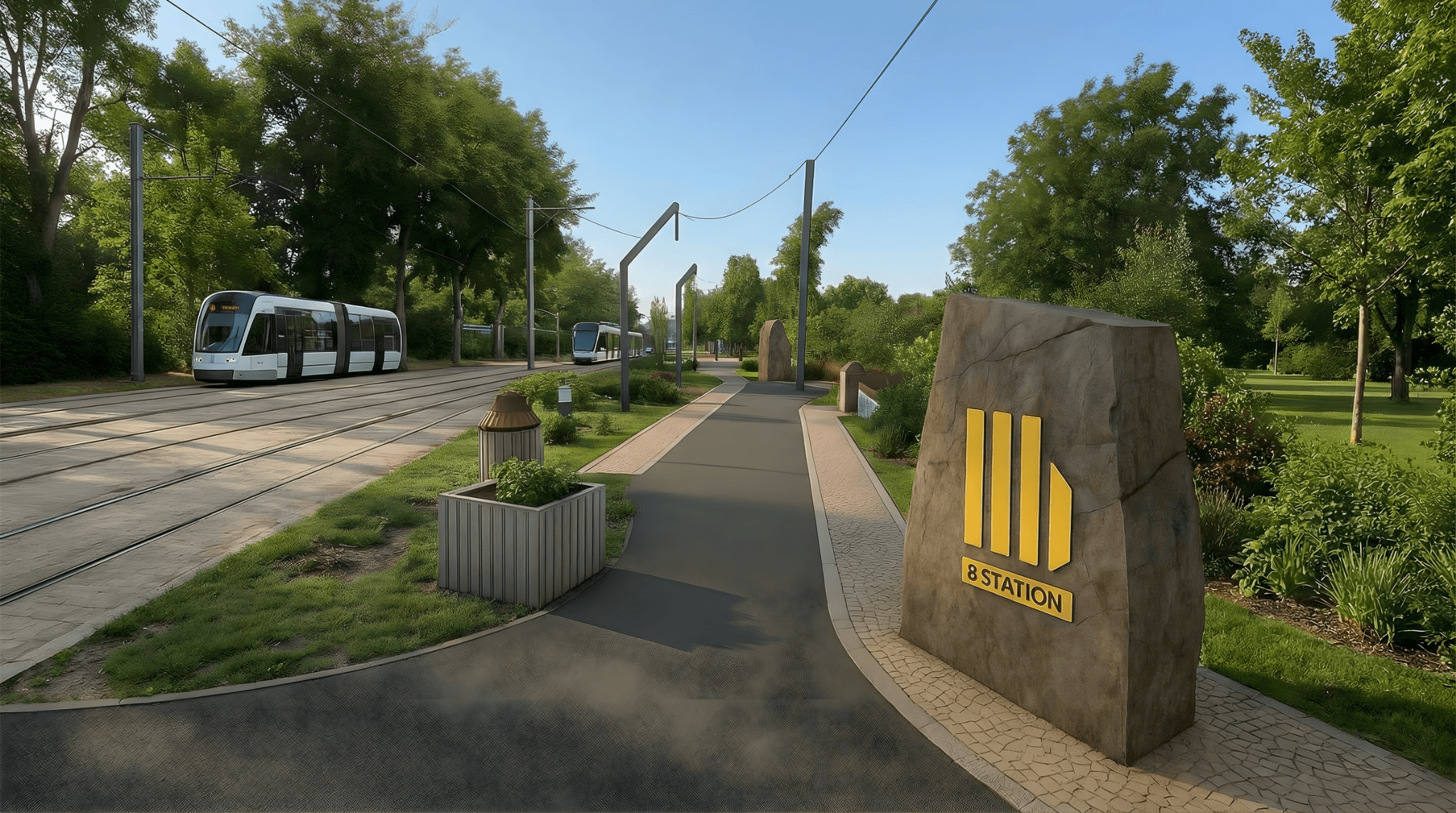
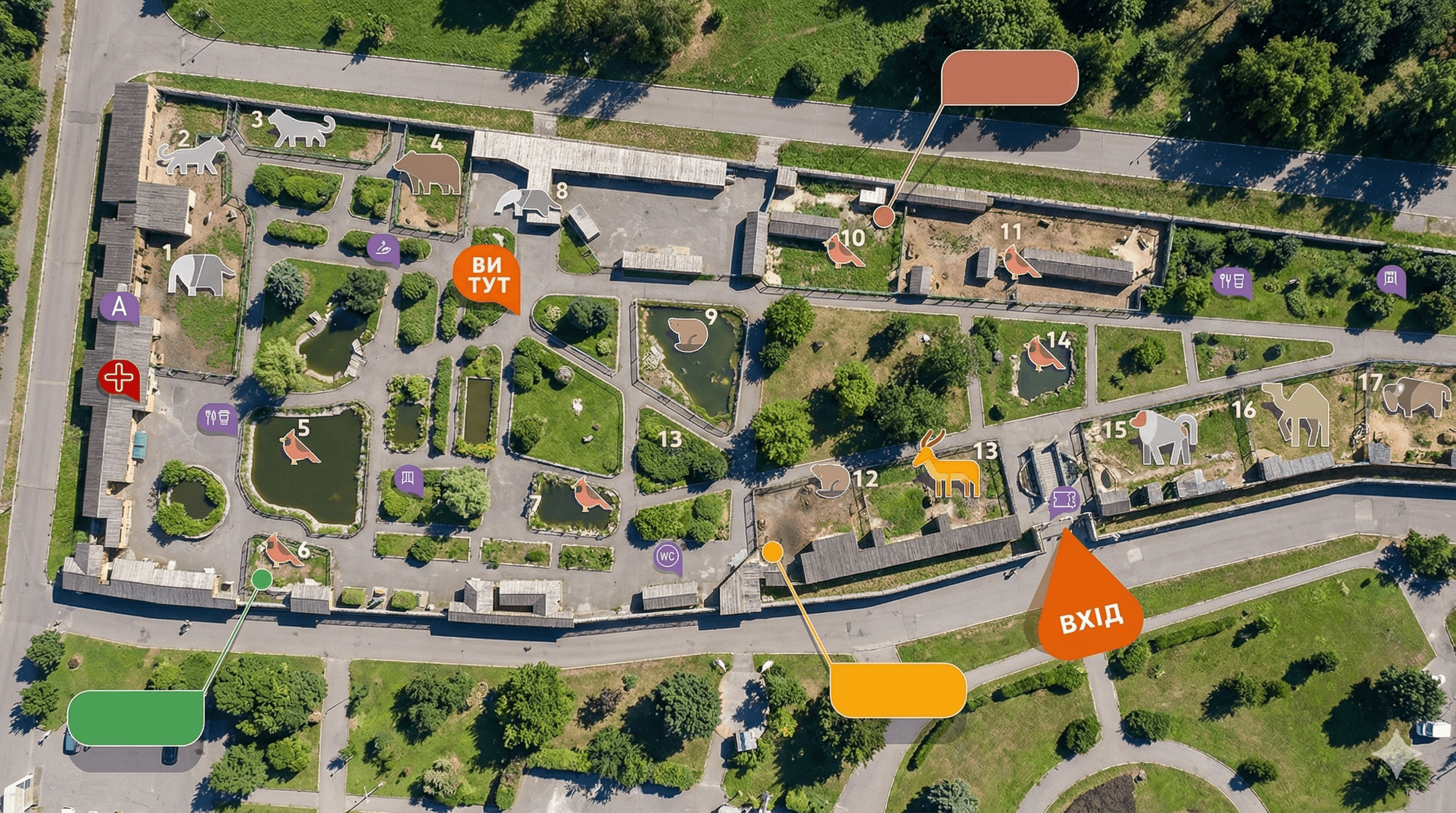
We investigate how people can quickly find a safe place in case of an emergency. This includes signs to shelters, their colors, size and visibility in the dark.
The focus is on different types of shelters, from old basements to modern modular structures.
This area examines the effects of hits by different types of missiles and munitions, from Shahed drones to ballistic and cruise missiles.
Practical solutions are considered for the rapid recovery of damaged buildings and areas. This includes temporary housing, conservation of destroyed facilities and reconstruction taking into account new security risks.
After shelling, relief headquarters are deployed in the city, where people receive first psychological support, temporary housing and humanitarian assistance.
The work of the city's critical systems during shelling and outages is examined - water, heat and electricity supply, transport, communications.
Strikes on the power system showed the need for autonomous power supply and rapid restoration of networks. Generators, houses with their own power supply and critical infrastructure with separate lines worked during the blackouts.
The behavior of the city after the strikes: disposal of rocket and drone debris, cleaning up hazardous materials, pollution prevention, standards for handling the ruins of historical buildings.
Decision-making mechanisms in a crisis, interaction between services, communication protocols, the role of local administrations, condominiums, volunteers and public organizations.
After the shelling, volunteers come to the rescue - clear the rubble, deliver water, food and basic necessities. How they help affected families, support headquarters and people who have lost their homes
Timeline
How we do it
Stage 1: Damage analysis
Stage 2: Safety Navigation
Stage 3: Defensive structures
Stage 4: Energy security
Stage 5: Rapid recovery
Solutions are being considered for the prompt reconstruction of damaged buildings.
Other projects
Other projects that might inspire you